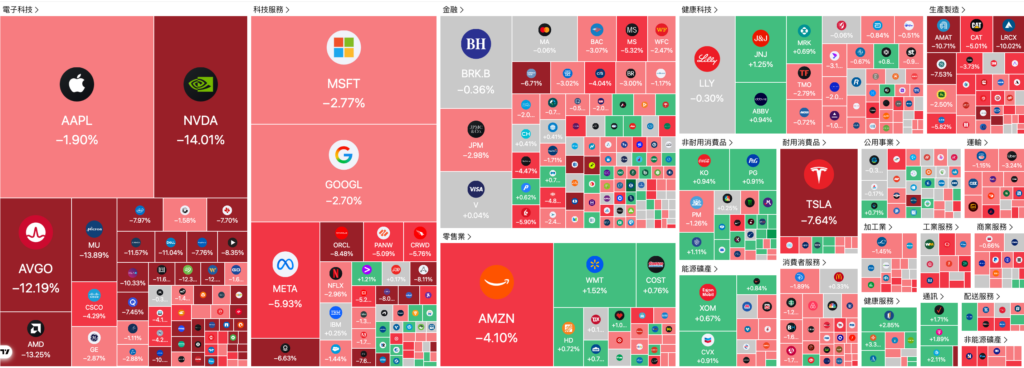
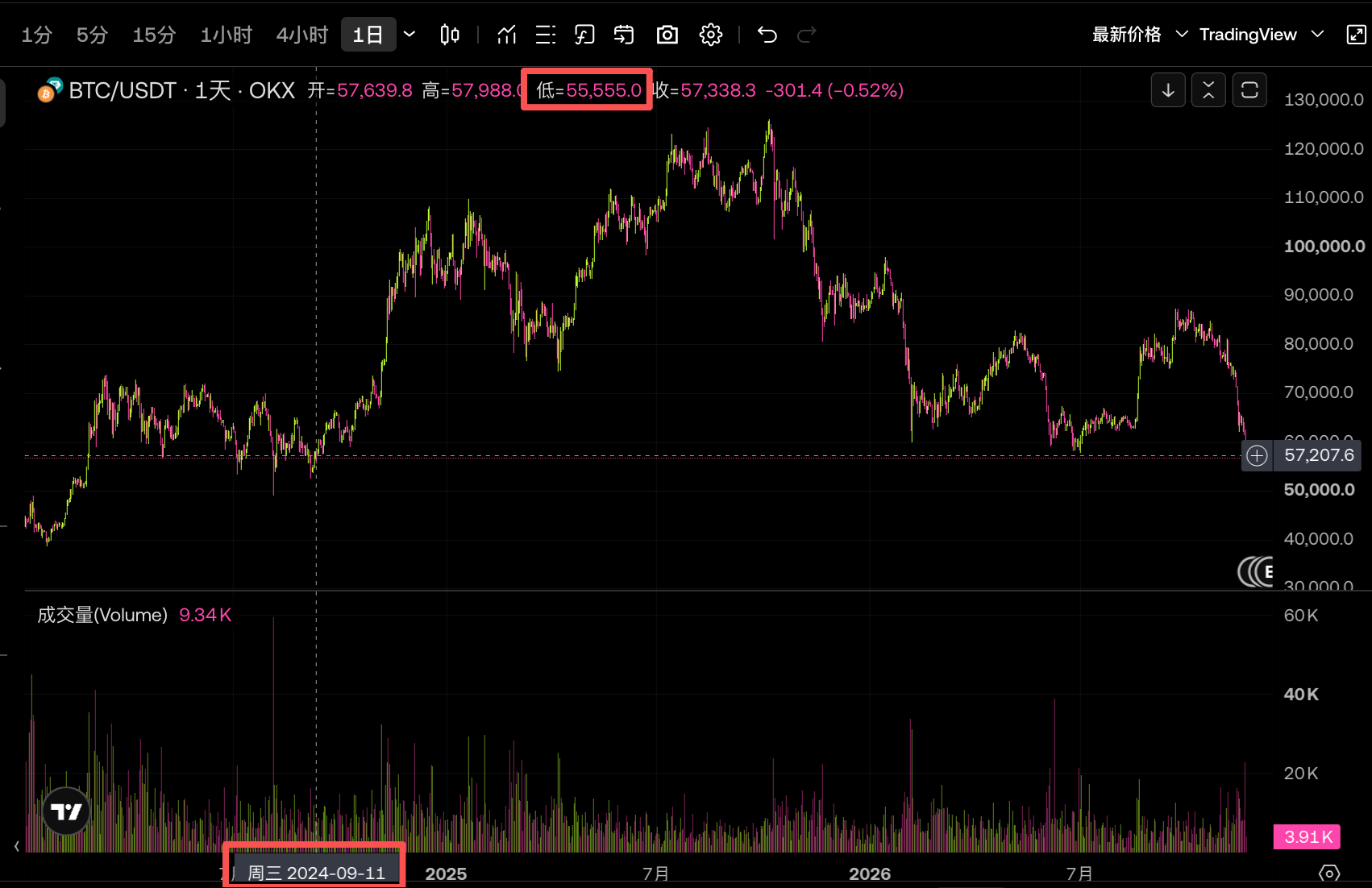
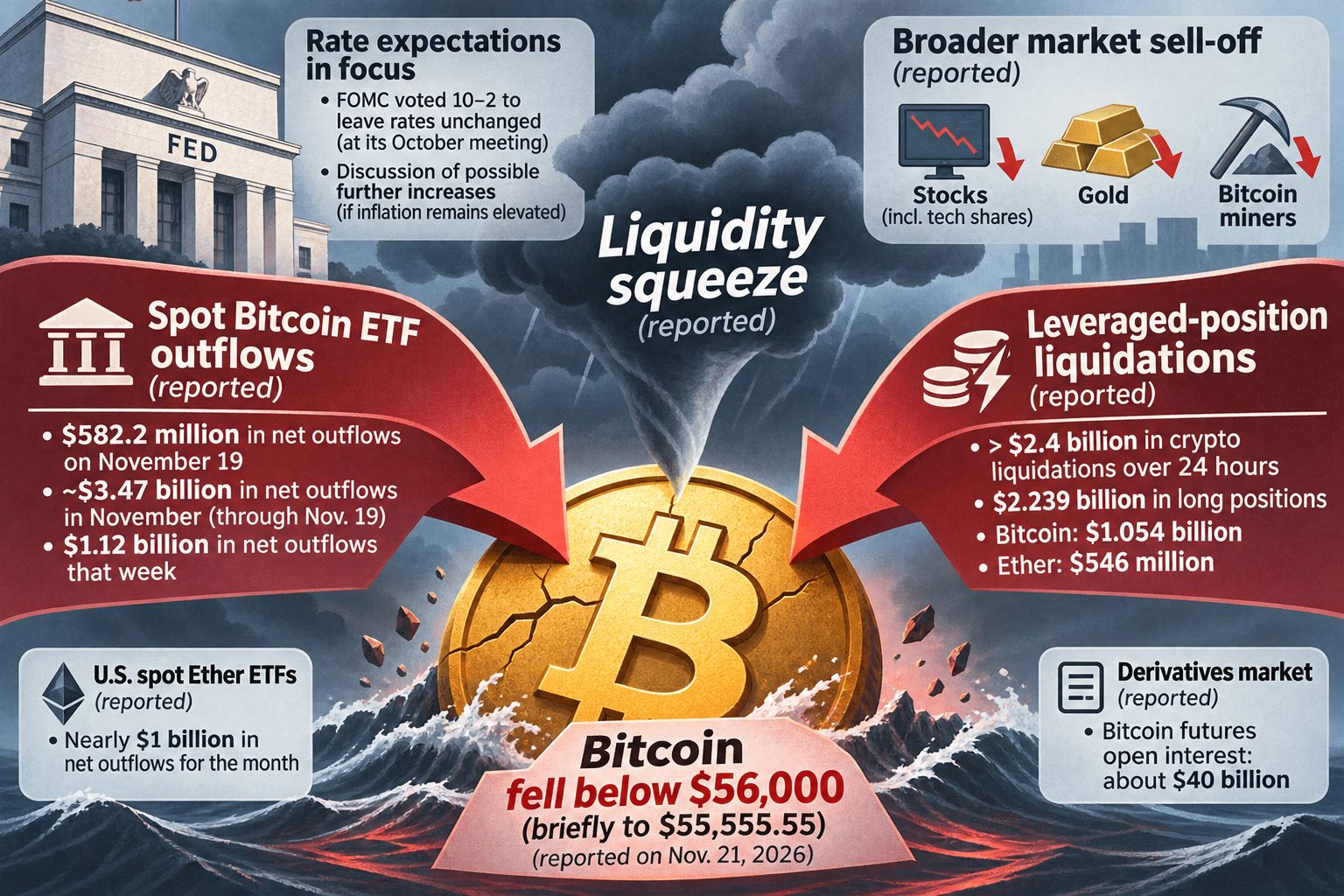
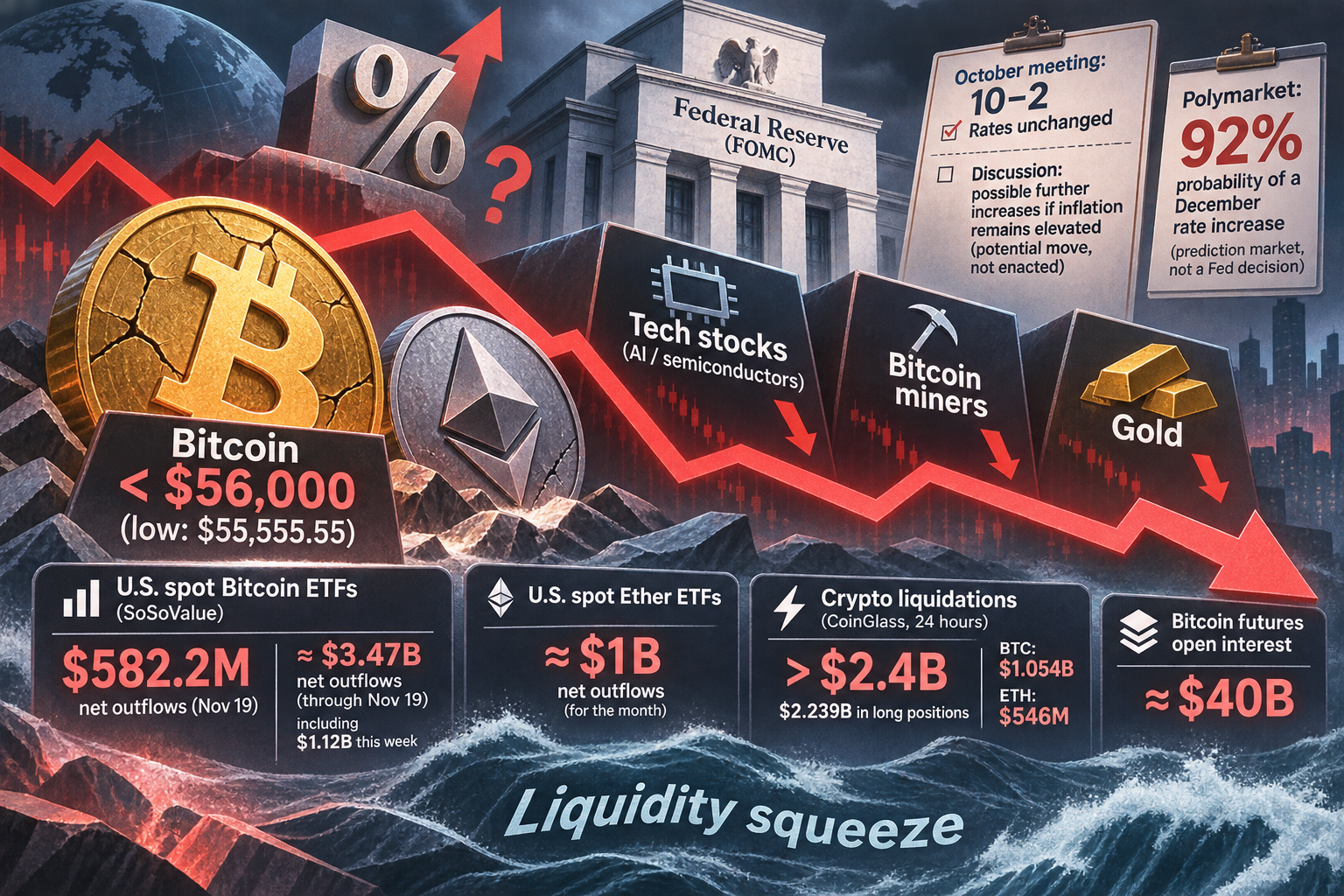
As reported on November 21, 2026, Bitcoin had fallen below $56,000, briefly reaching $55,555.55. The decline came alongside losses in stocks, gold and other cryptoassets. The report framed the sell-off as a broader liquidity squeeze, while pointing to interest-rate expectations and fund outflows as possible pressures—not established causes of Bitcoin’s move.

ETF outflows and liquidations
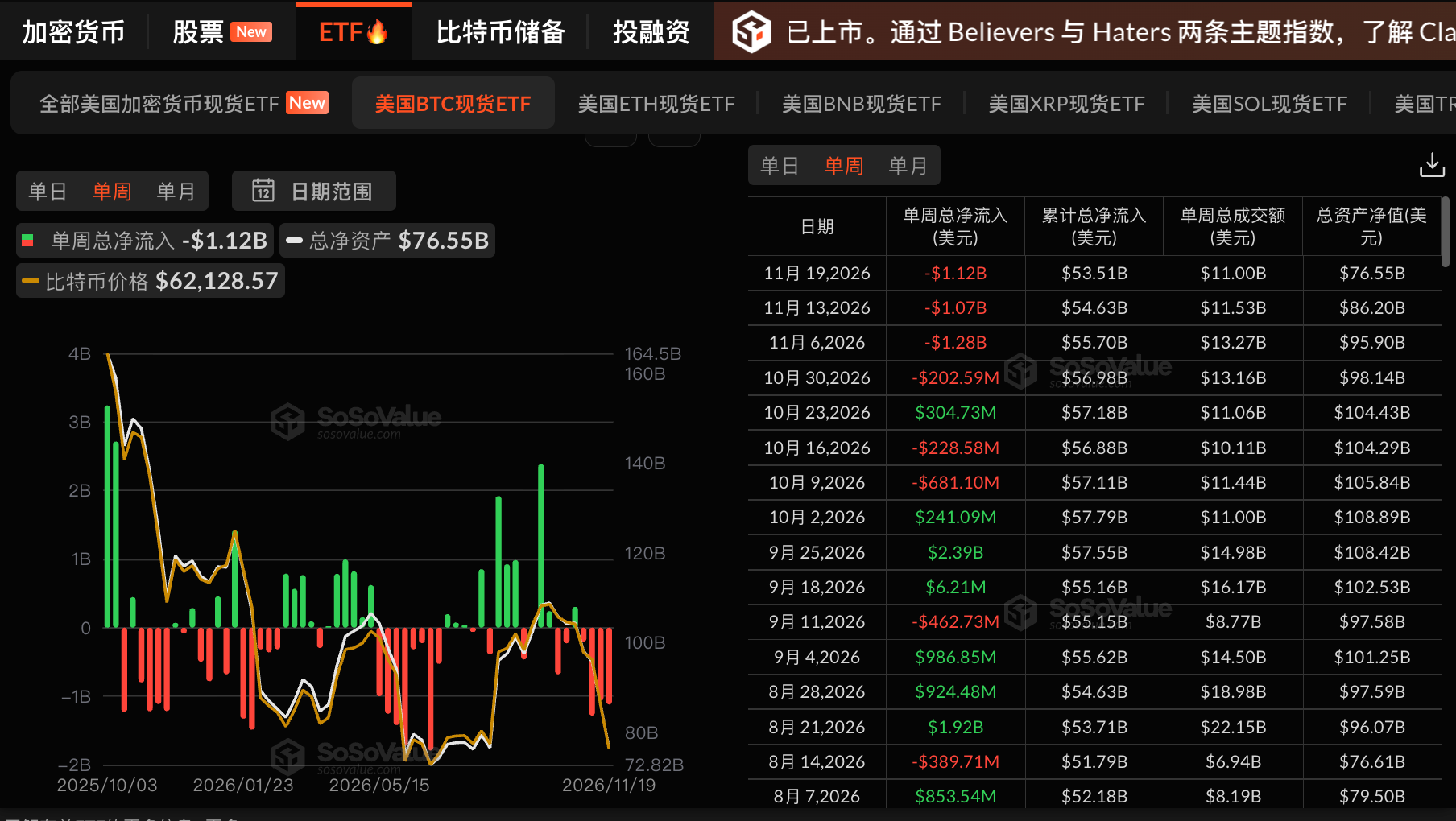
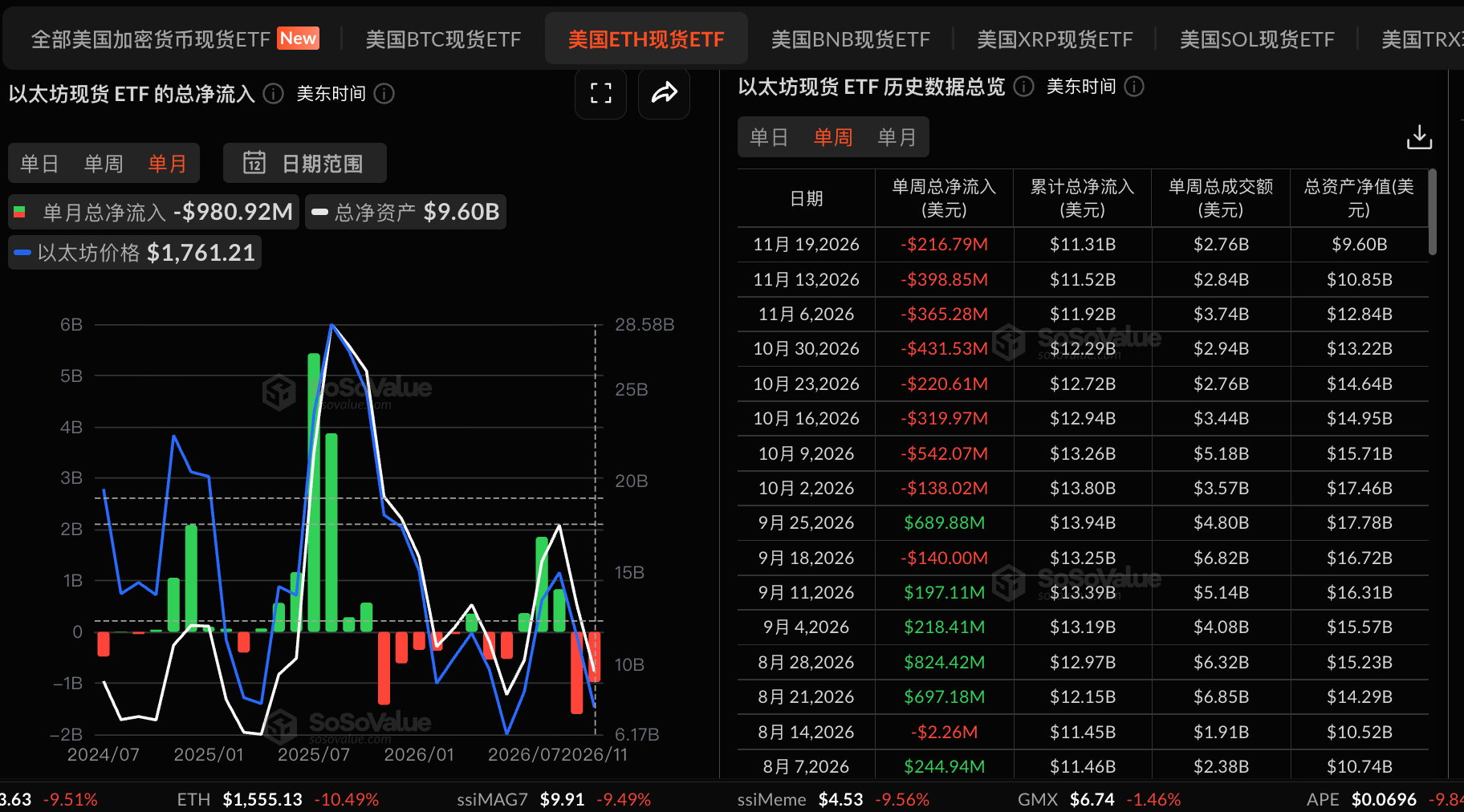
Citing SoSoValue, the report said U.S. spot Bitcoin ETFs recorded $582.2 million in net outflows on November 19. It put November’s net outflows through that date at about $3.47 billion, including $1.12 billion that week. U.S. spot Ether ETFs had recorded nearly $1 billion in net outflows for the month, it said.
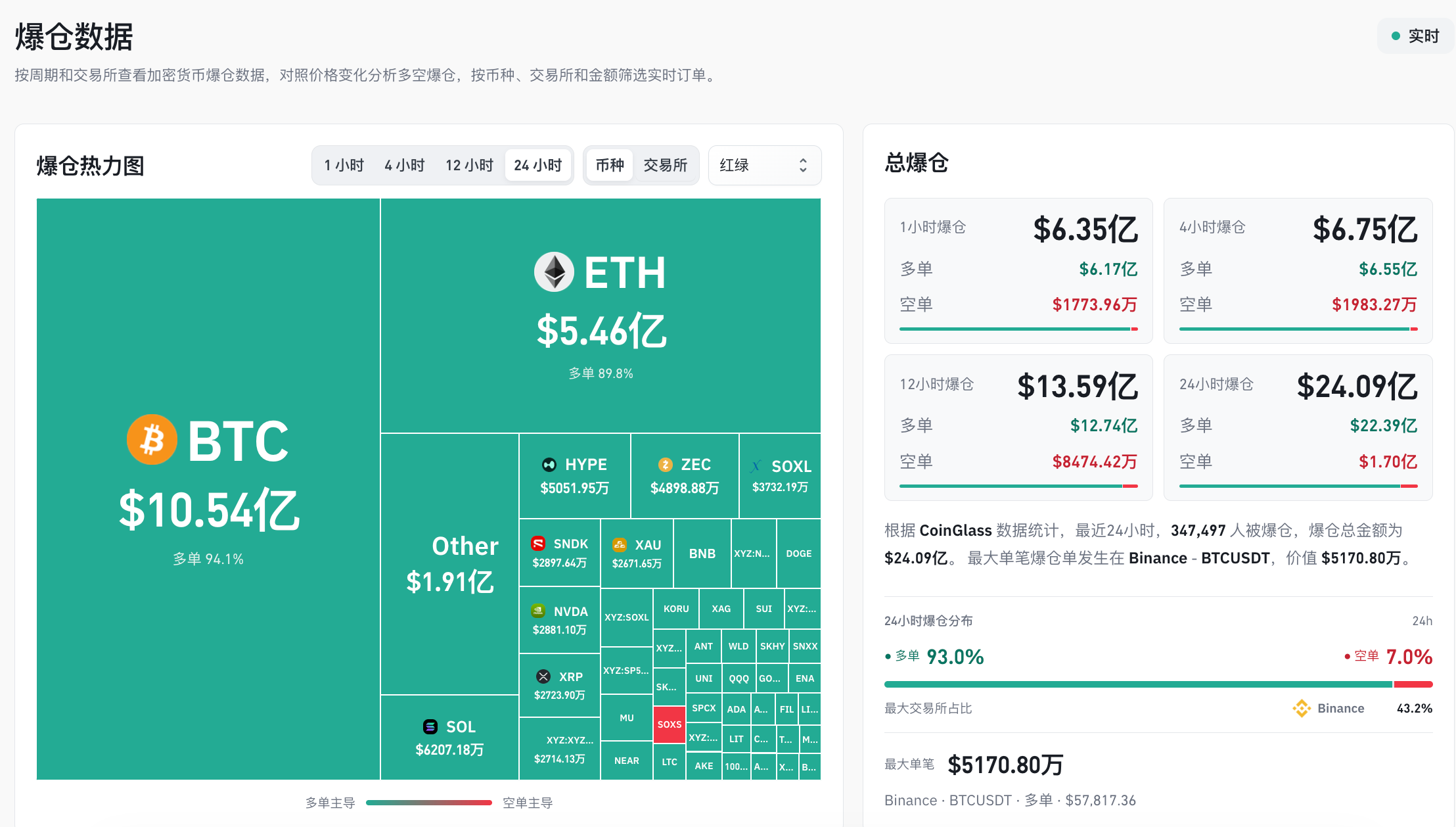
CoinGlass data cited in the report showed more than $2.4 billion in crypto liquidations over 24 hours, including $2.239 billion in long positions. Bitcoin accounted for $1.054 billion and Ether for $546 million of the reported total. The report also put Bitcoin futures open interest at about $40 billion.
Rates and the wider sell-off
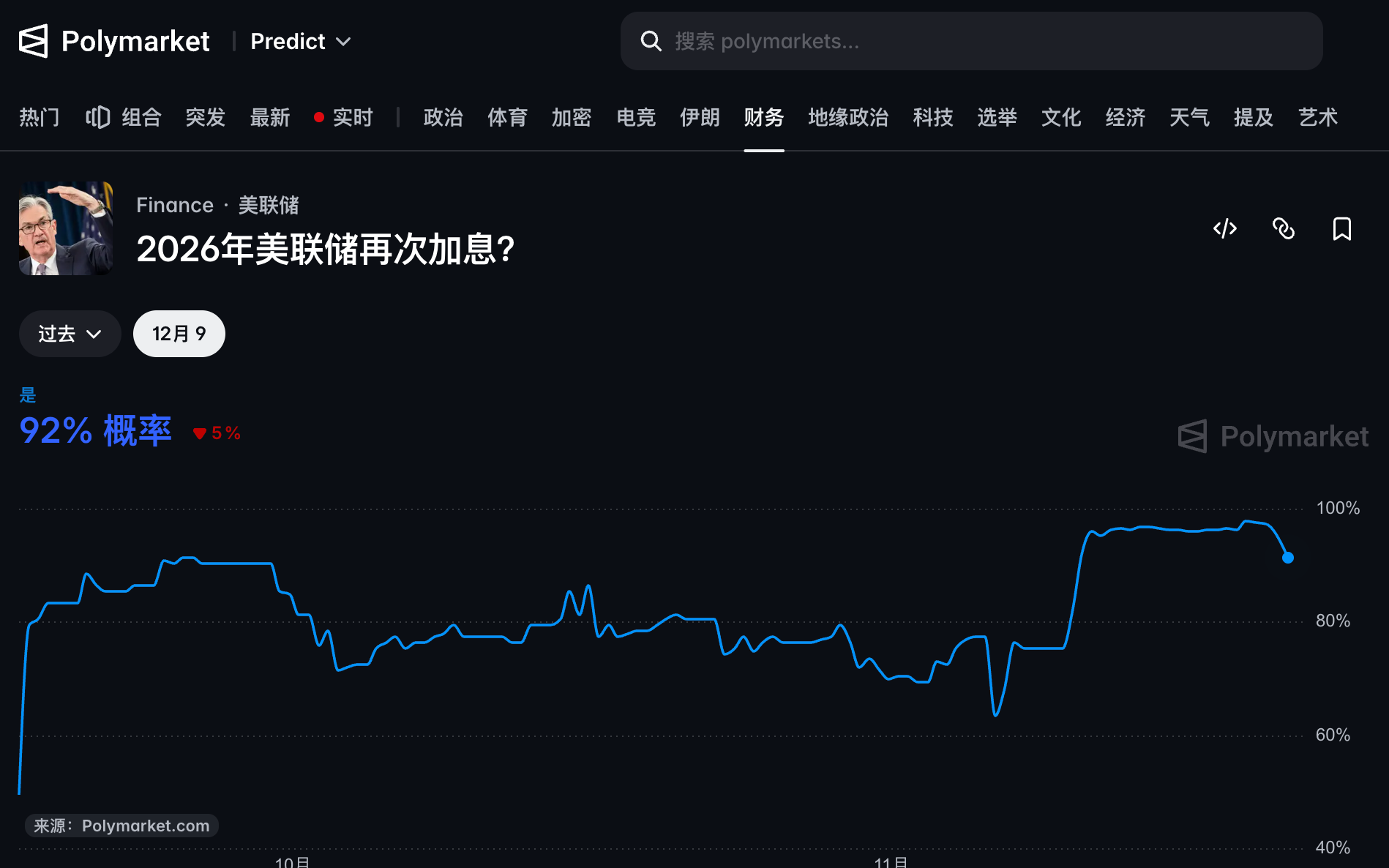
The report said the Federal Open Market Committee had voted 10–2 to leave rates unchanged at its October meeting, with the two dissenters favoring a 25-basis-point increase. It cited subsequent discussion of possible further increases if inflation remained elevated. Those were potential policy moves, not enacted rate changes. The report also noted that a Polymarket contract put the probability of a December rate increase at 92%; a prediction-market price is not a Federal Reserve decision.
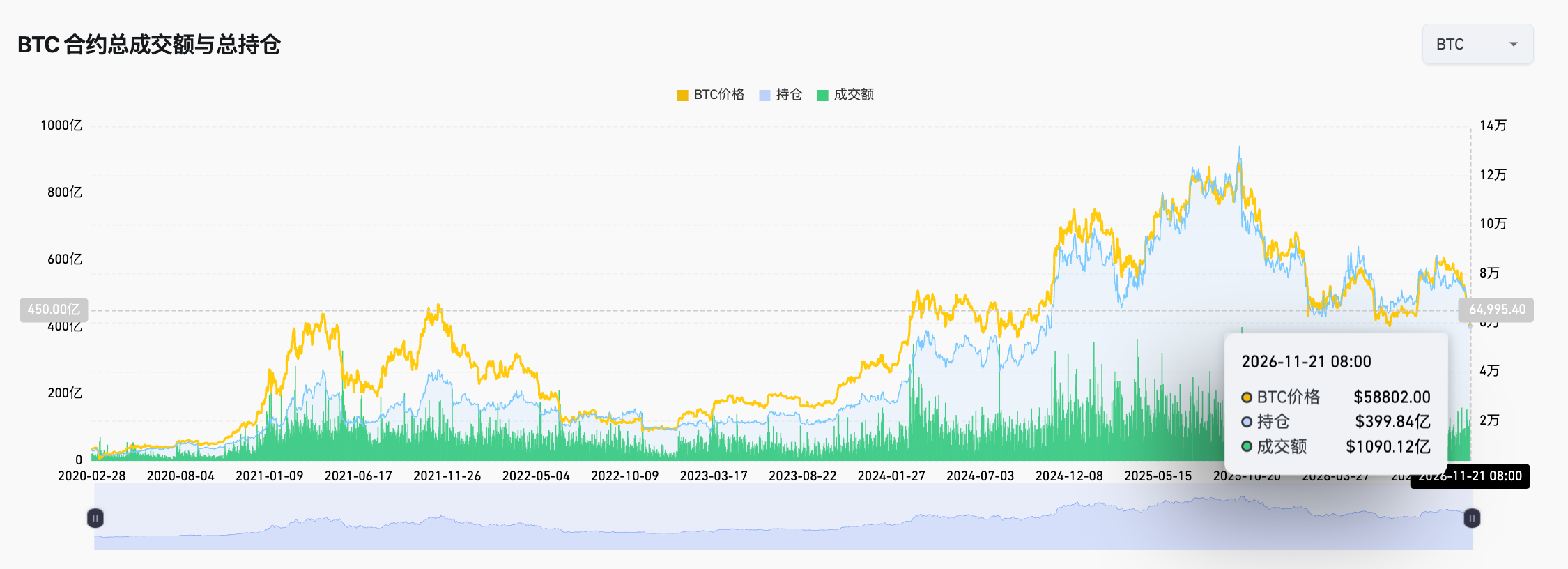
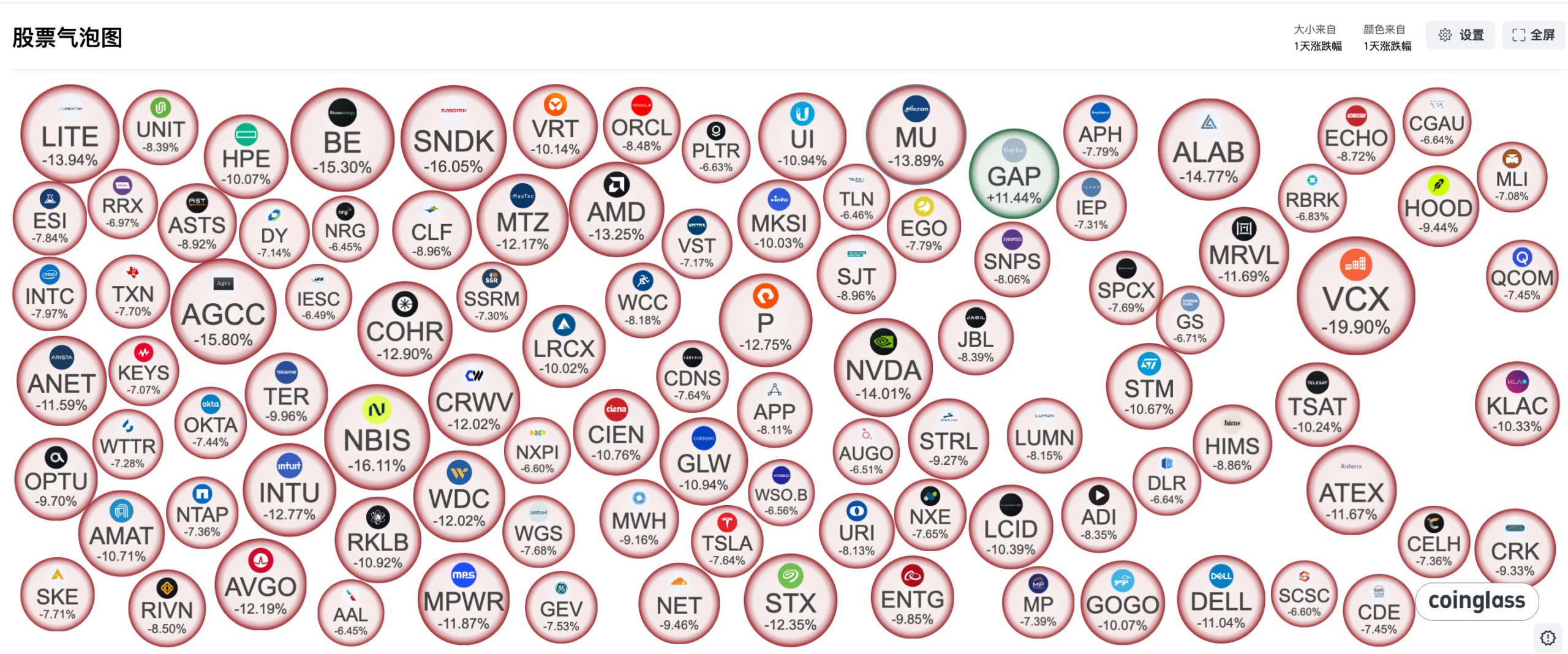
Tech shares, Bitcoin miners and gold also fell, according to the report. Delphi Digital market strategist Scott Freeman described the episode as “a liquidity story,” arguing that tighter financial conditions could leave several asset classes exposed at once. That assessment is his interpretation, rather than proof of a single cause for the sell-off.
The source reported no new stablecoin issuance, reserve figures, redemption disruption or depeg. Its relevance to digital money is the pressure it described across crypto markets and the broader financial system—not a documented change in stablecoin backing or settlement.