Hyperliquid’s order book is becoming a resource for products beyond its own exchange. As of November 10, 2026, a HyperEVM trading app was using its prices, a proposed US market aimed to use its matching technology, and a new layer-2 network was designed to access more of its order-book data. The question is whether those uses will bring trading and fees back to Hyperliquid—and whether regulated markets can share the liquidity that makes its existing markets useful.
Three ways to use the exchange
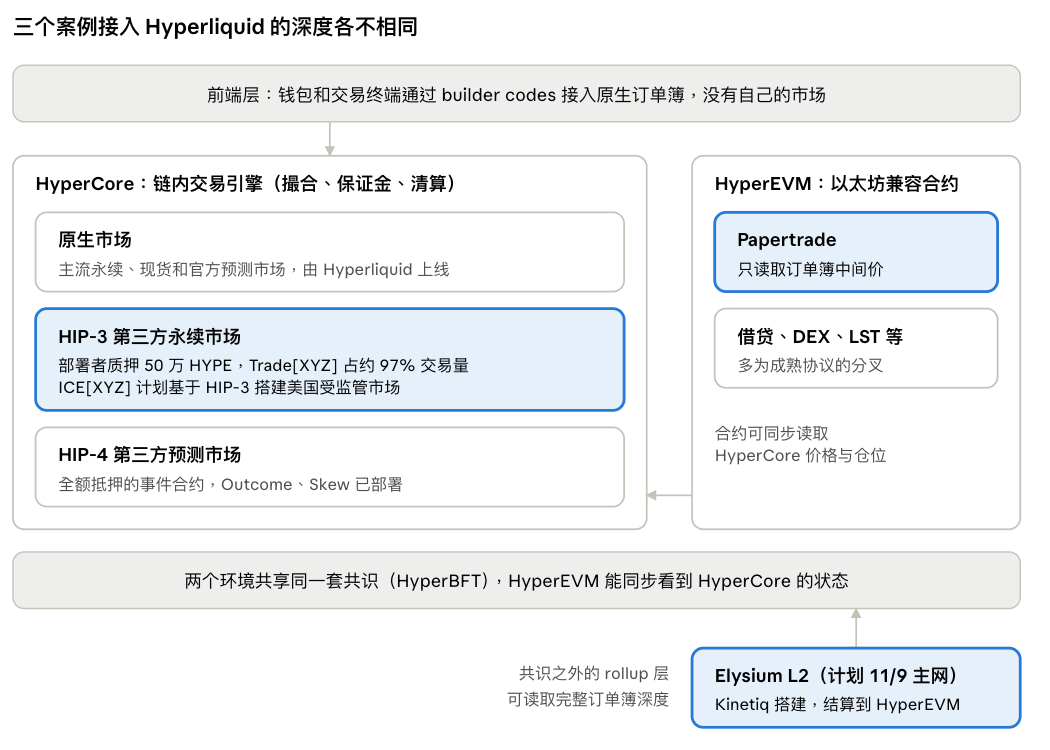
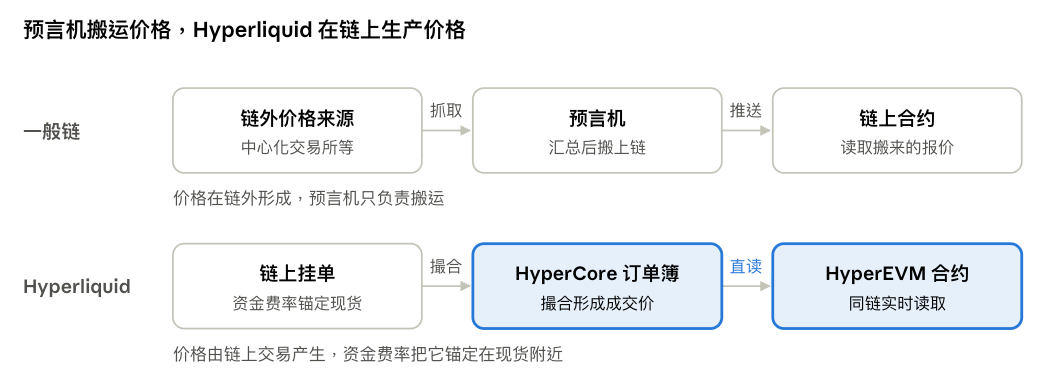
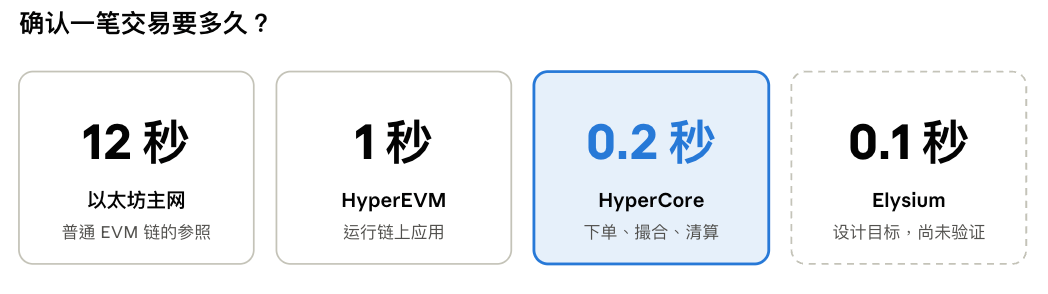
Hyperliquid runs its exchange functions on HyperCore and supports external applications through HyperEVM. The three examples in the original analysis use that architecture at different depths:
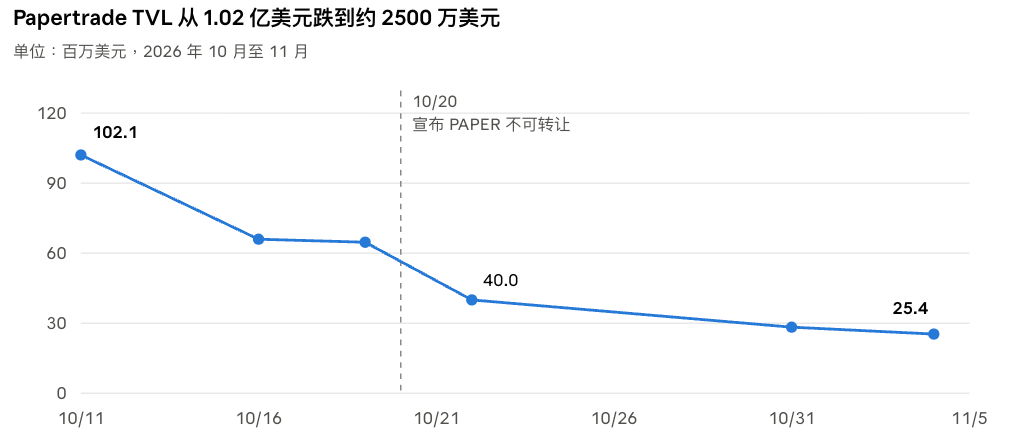
- Papertrade uses prices, not Hyperliquid execution. Launched on October 10, 2026, with BTC and ETH markets, it reads Hyperliquid’s mid-price when positions open and close. Trades settle against Papertrade’s own USDC pool rather than Hyperliquid’s order book. Its advertised leverage reaches 1,000×. According to the analysis, its first week generated more than $1 trillion in notional volume; that figure does not represent trading executed on HyperCore. The analysis also reports an attempted price-manipulation episode on launch night, illustrating a risk when an external product settles against another venue’s price.
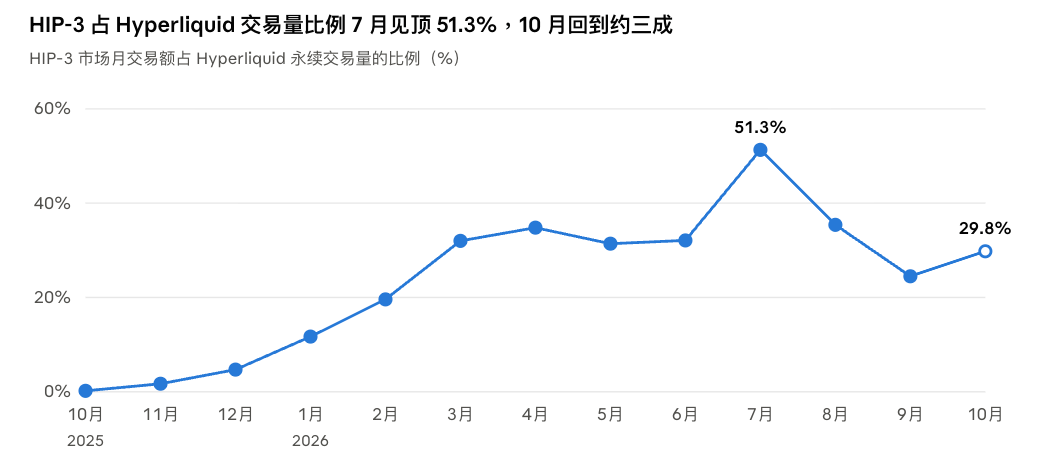
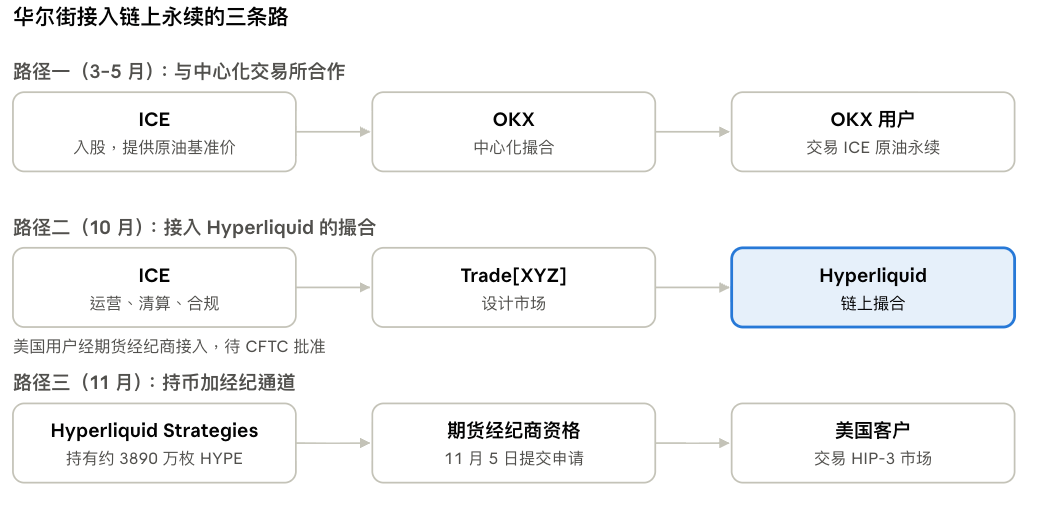
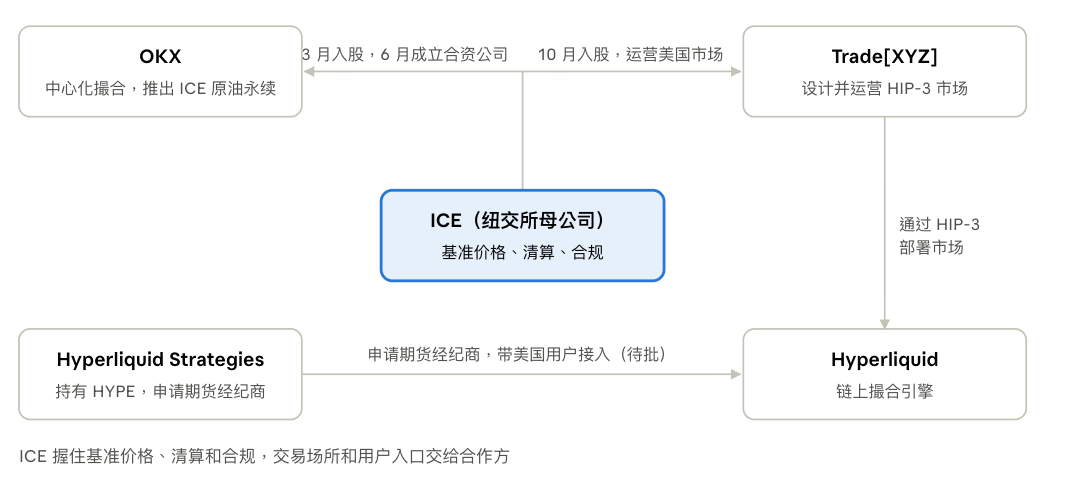
- Trade[XYZ] uses HyperCore’s matching system. It deploys perpetual markets through HIP-3, the mechanism opened to third parties in October 2025. The analysis says Trade[XYZ] accounted for about 97% of HIP-3 volume in October 2026. On October 29, NYSE parent ICE took a stake in Trade[XYZ] and outlined a proposed US market, ICE[XYZ], using Hyperliquid’s matching technology. Under the reported plan, ICE would operate the exchange and handle clearing; the arrangement still required CFTC approval. It was not an operating US market at the reporting date.
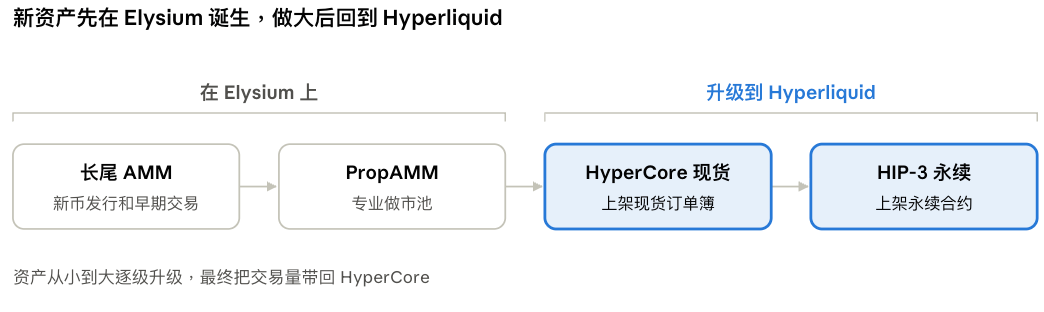
- Elysium is designed to access more order-book data. Built by staking protocol Kinetiq, the layer 2 was scheduled to launch on November 9 and settle to HyperEVM. Its target throughput was about 100 times HyperEVM’s, and a subsequent upgrade was intended to support reading the full order book. Those are design goals and planned capabilities, not evidence that mainnet performance or the later upgrade had been verified. The analysis says Elysium’s order-book data would come from its own nodes rather than Hyperliquid consensus, a material distinction from data read directly through HyperEVM.
Where the fees go
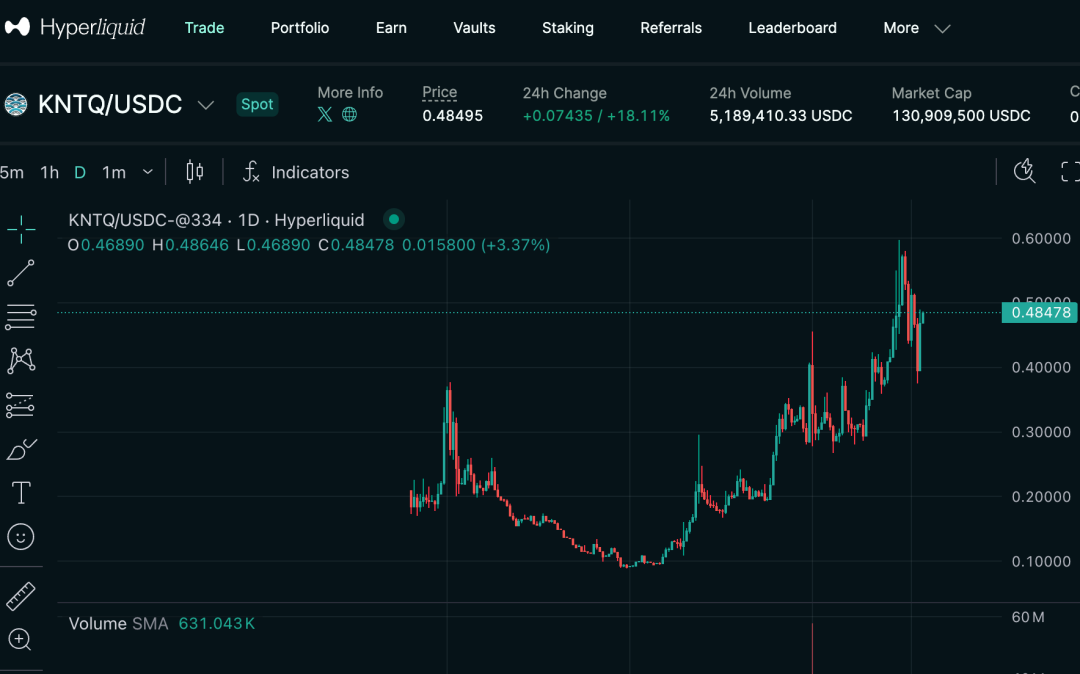
More activity around Hyperliquid does not necessarily mean more income for HYPE holders. Papertrade settles against its own USDC pool; the analysis describes PAPER staking as the route to that product’s pool income. Elysium’s proposed fee model would use half its fee revenue to buy back and burn Kinetiq’s KNTQ token. HIP-3 trades do execute on HyperCore, but the analysis says their fees are shared with market deployers and that many markets have reduced rates.
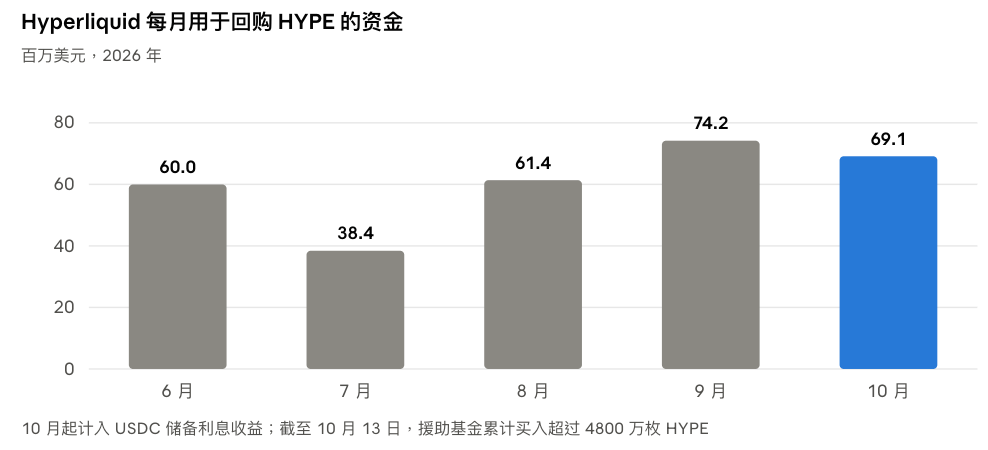
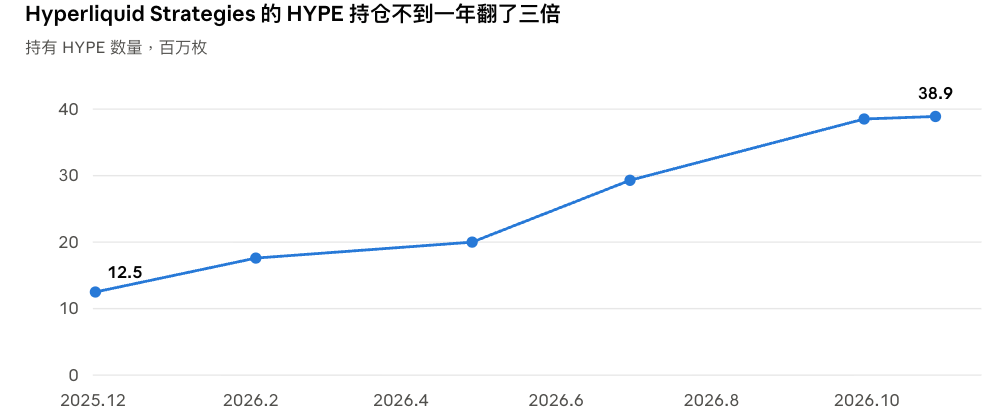
The analysis describes Hyperliquid’s net trading fees and interest on deposited USDC as sources of HYPE buybacks. It does not describe HYPE as equity or as a token that directly distributes protocol revenue to every holder. For new products, the relevant distinction is therefore whether trades execute on HyperCore and what portion of the resulting fees remains available for its buyback mechanism.
The regulated-market constraint
ICE’s proposed market and Payward’s separately announced plan to deploy HIP-3 markets through Bitnomial point to demand for Hyperliquid’s matching infrastructure. Both were subject to regulatory approval at the reporting date. The analysis argues that customer-access requirements in a regulated US market could prevent Hyperliquid’s existing offshore traders and market makers from participating. Using the same matching engine would not, by itself, transfer the depth of the existing order books.
That leaves two unresolved questions identified by the analysis: whether Hyperliquid can charge for external use of its order-book prices and data, and whether regulated markets can retain access to the liquidity that gives those prices their value. The partnerships and launch plans show interest in the infrastructure; they do not yet establish how much value will flow back to HyperCore.